Commodity Trading Solution for Agri & Dry Bulk

Start your 7-day free trial. No Commitment.

CM Navigator brings together FOB prices, freight rates, CFR matrices, trade flows, reports, and market-moving news in one place - backed by proprietary insight and real market expertise

Trusted by 100+ companies worldwide across the agri and dry bulk market

Agro Koncerno Grūdai logo
Trans Oil logo
Nibulon logo
Mondry logo
Lecureur logo
Lantmännen logo
Our features

Features tailored to your needs

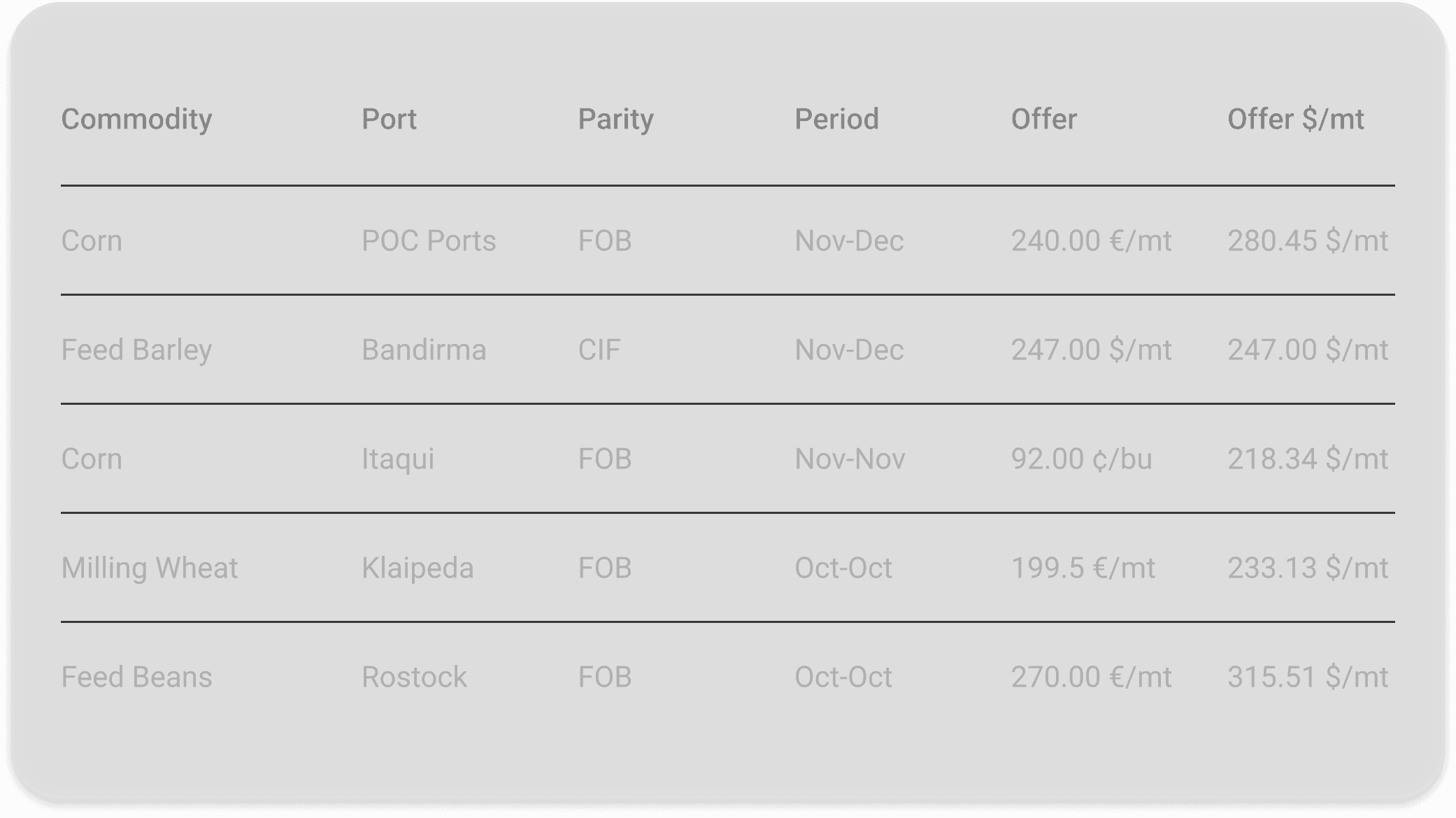
Bids and offers feature tile showing live agricultural commodity bid and offer prices for physical grain trading on the CM Navigator platform

Bids and Offers

Track buying and selling interest across key agri commodities, origins and shipment periods.

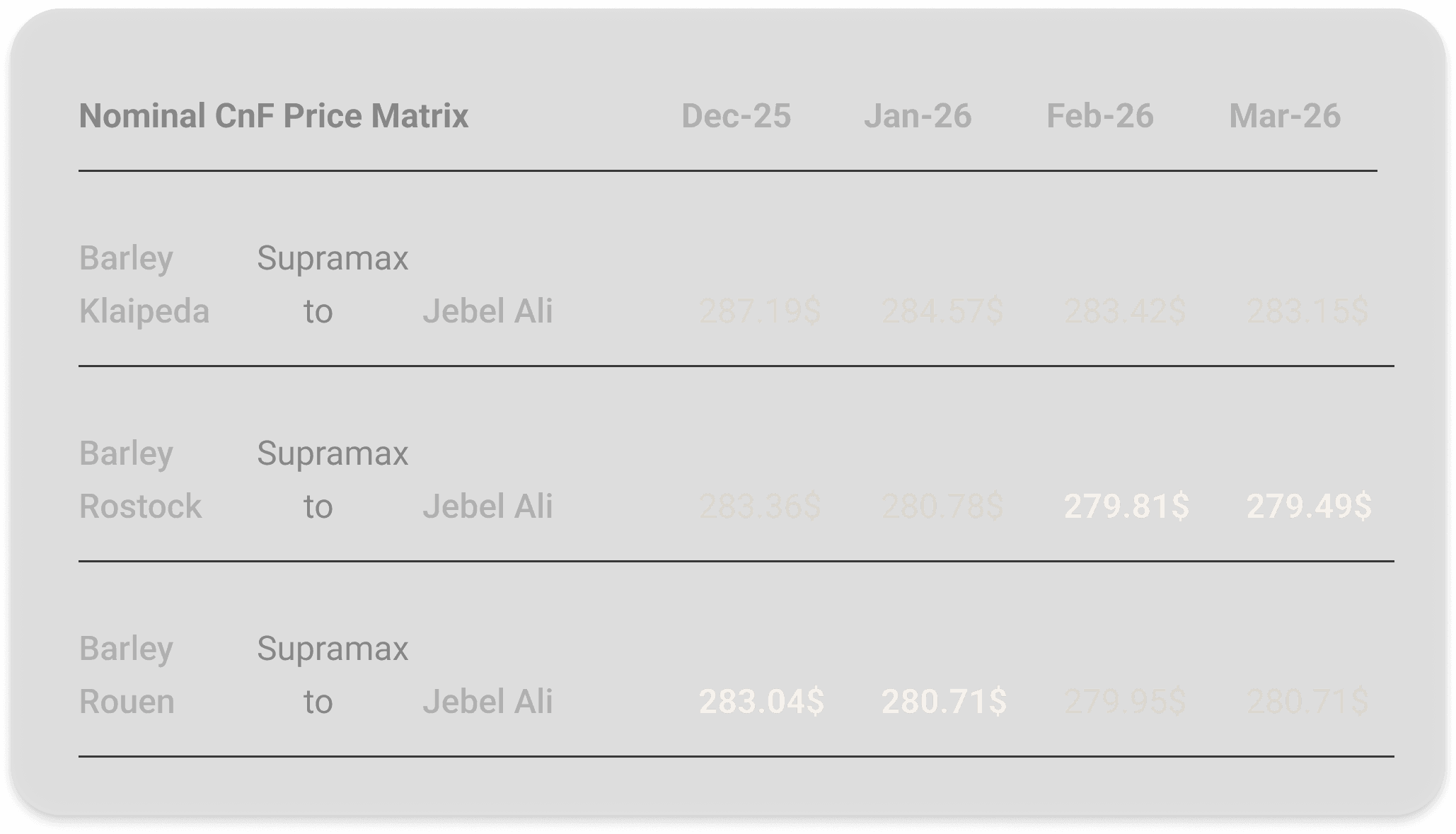
CFR matrix feature tile showing cost and freight price comparison across 610 global destinations for grain traders on the CM Navigator platform

CFR Matrix

Compare delivered values by combining origin prices and freight rates.

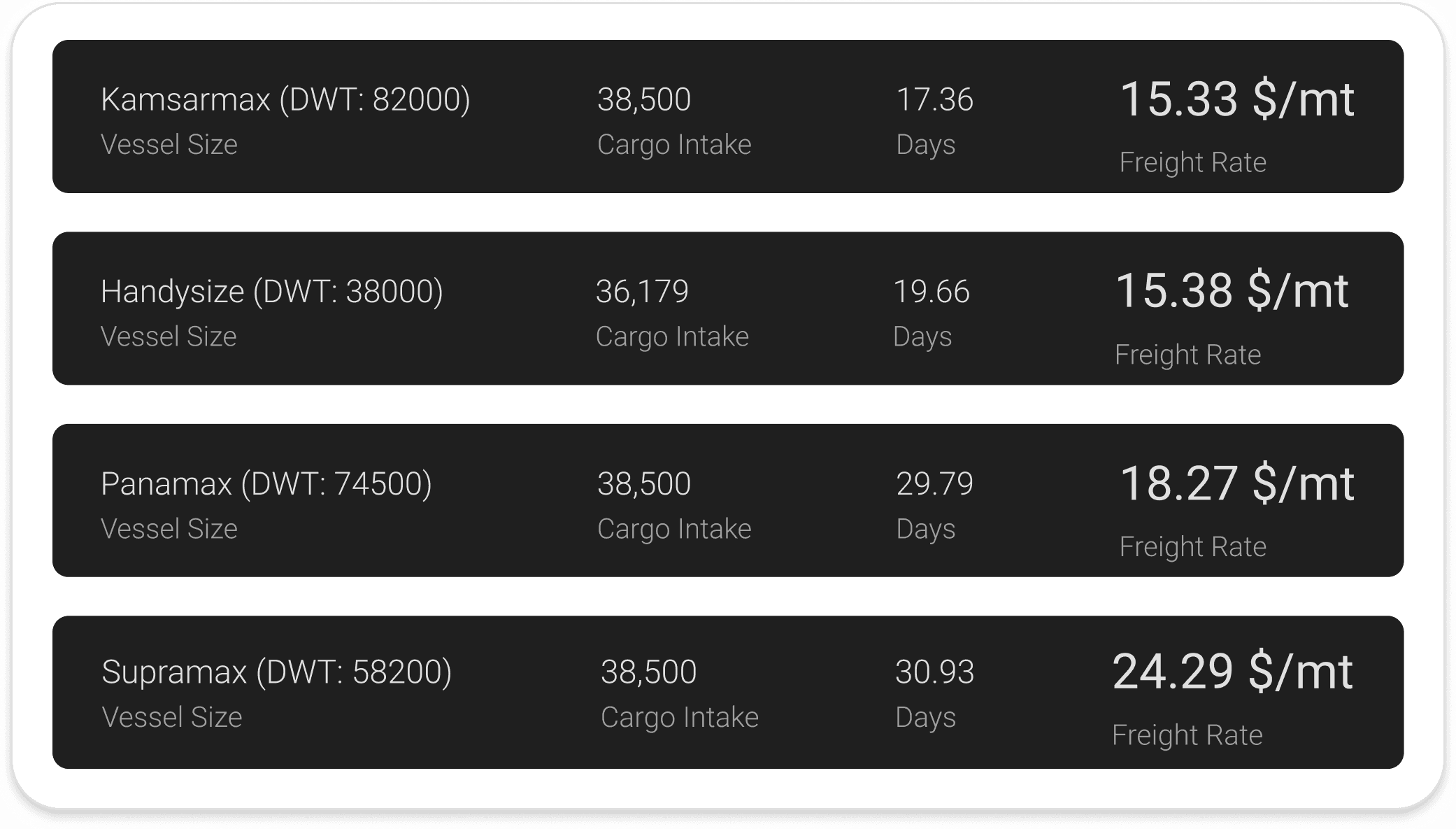
Freight calculator feature tile showing the online dry bulk shipping cost estimation tool for grain trade routes on the CM Navigator platform

Freight Calculator

Estimate freight for port-to-port trades, parceling, combo cargoes and multi-load or discharge structures.

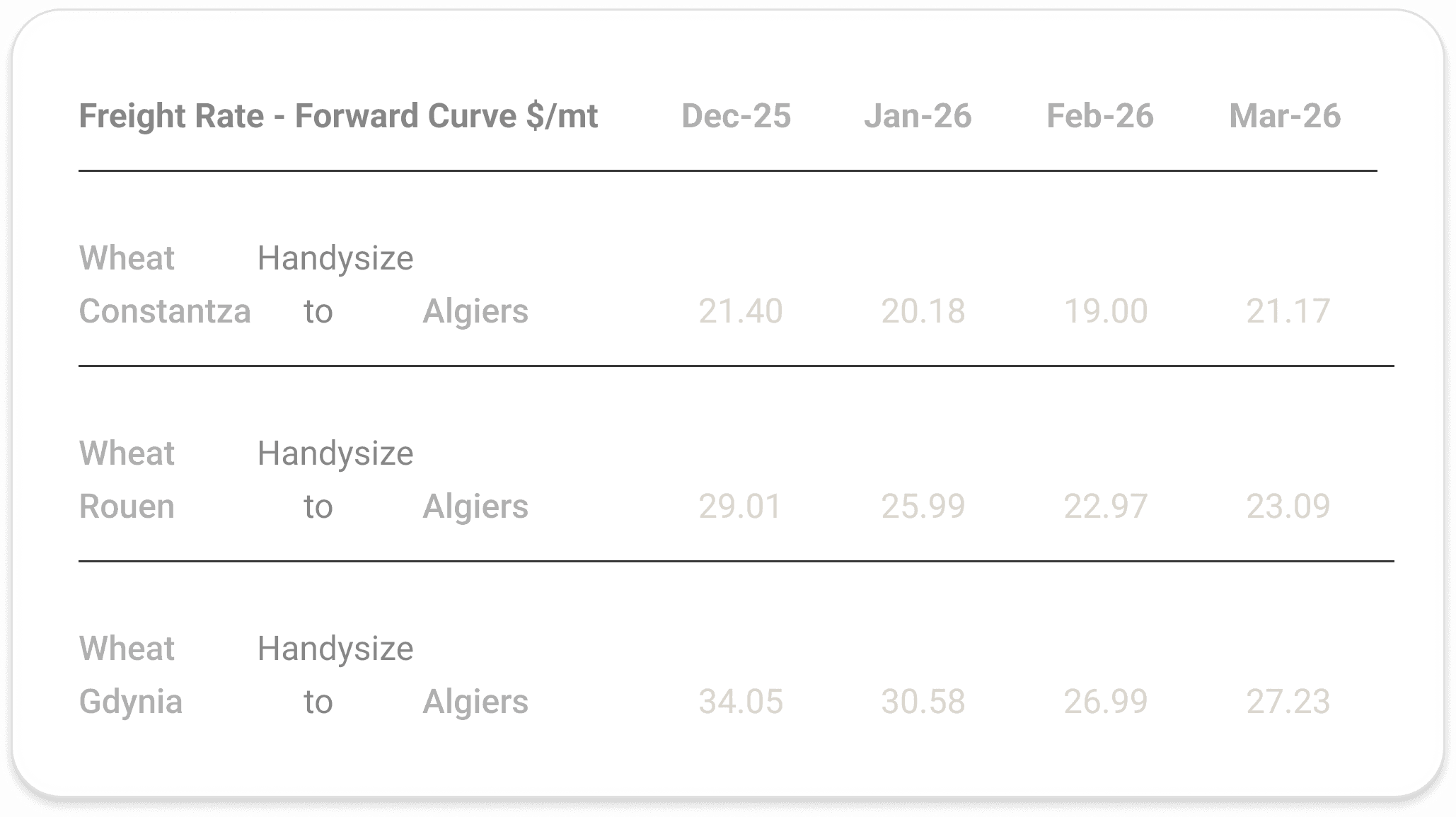
Freight matrix feature tile showing dry bulk shipping rate comparisons across ports, routes and commodities for grain traders on the CM Navigator platform

Freight Matrix

Compare dry bulk freight rates across 550,000+ routes with forward-looking visibility.

Market reports feature tile showing the grain market intelligence report library on the CM Navigator commodity trading platform

Market Reports

Market reports, news and commentary grounded in real physical market activity.

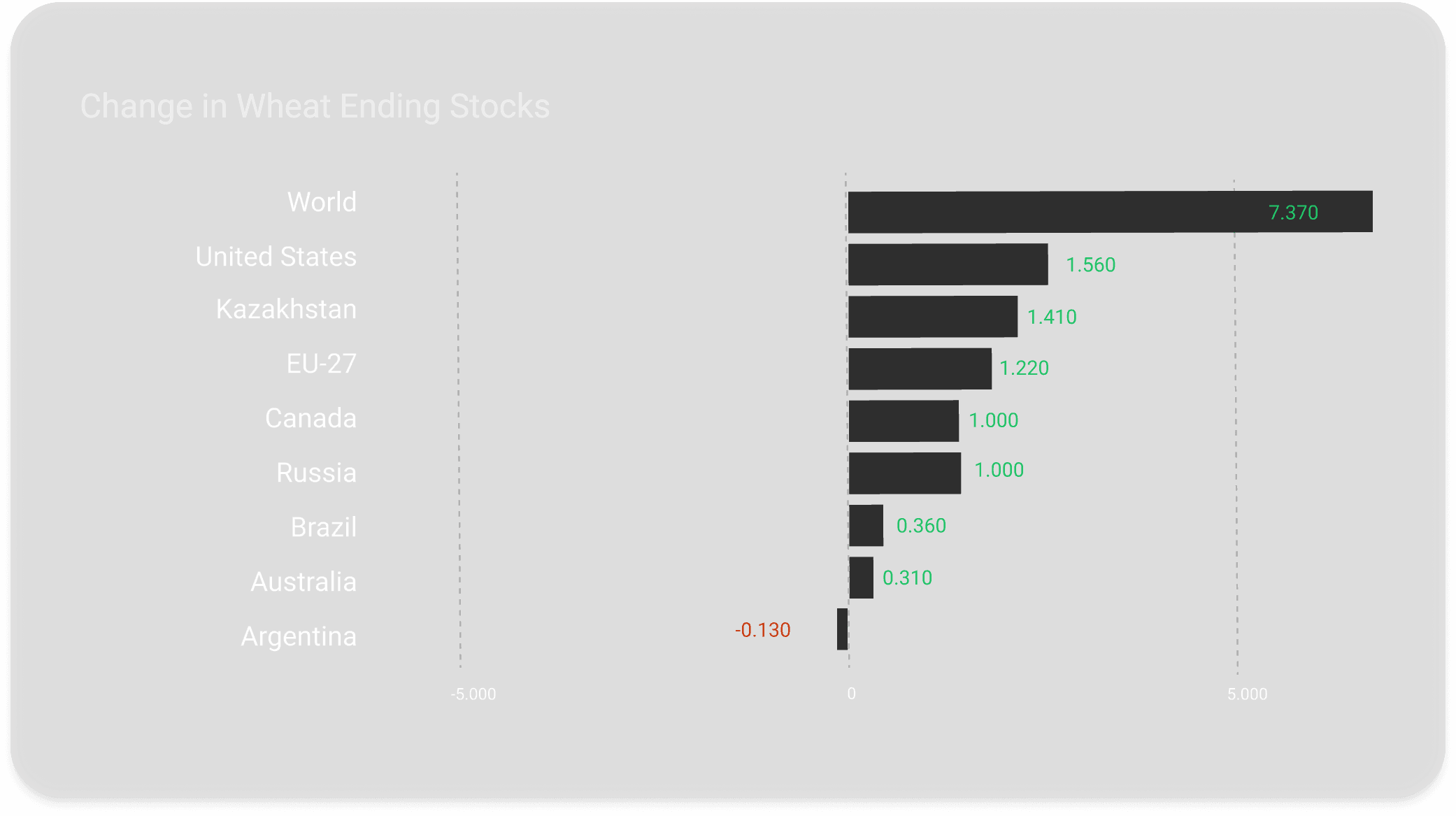
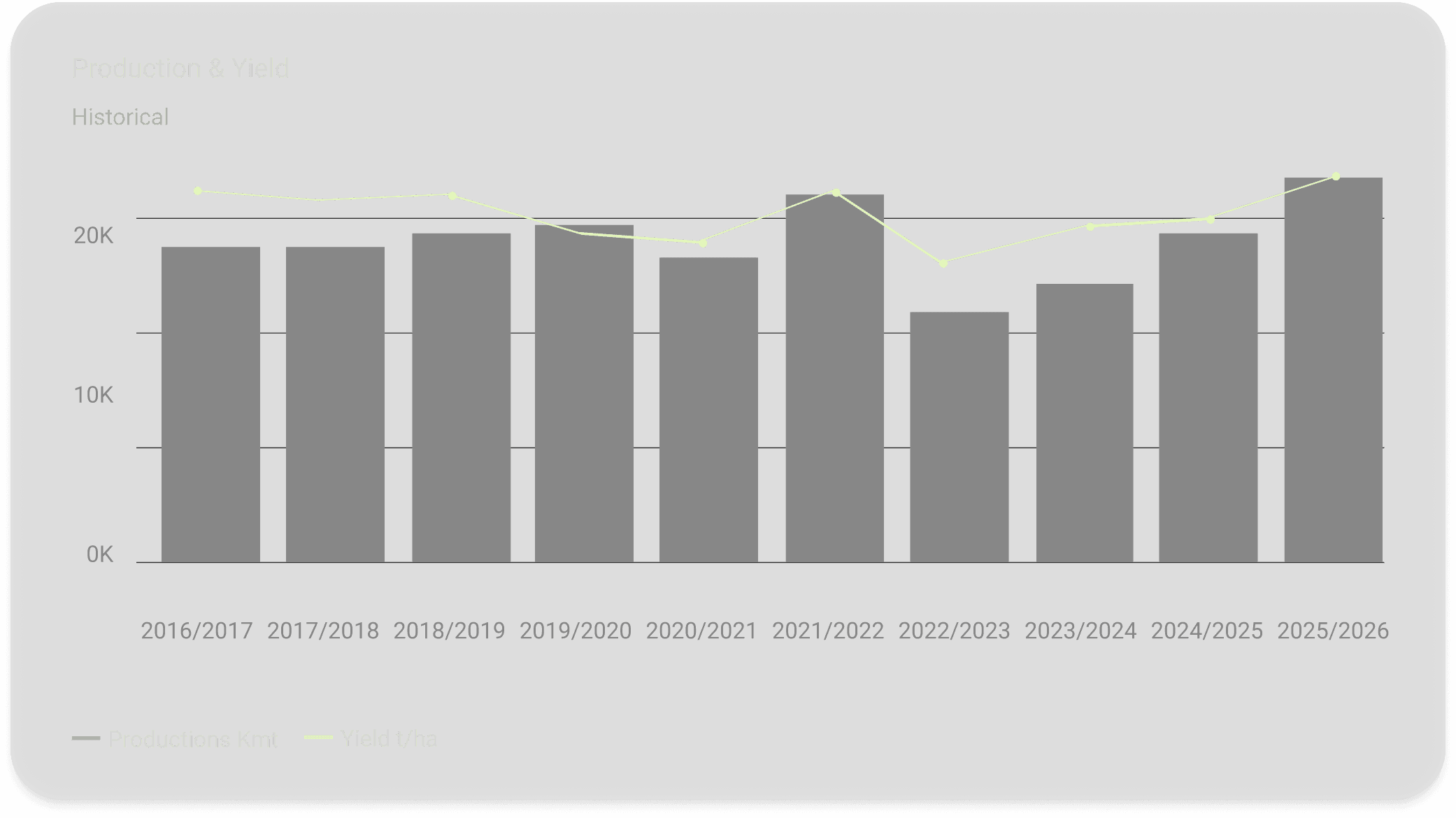
Supply and demand feature tile showing the global grain balance sheet tool covering wheat, corn and soybean production and consumption data on the CM Navigator platform

Supply and Demand

Track updated S&D forecasts, historical data and changing crop fundamentals.

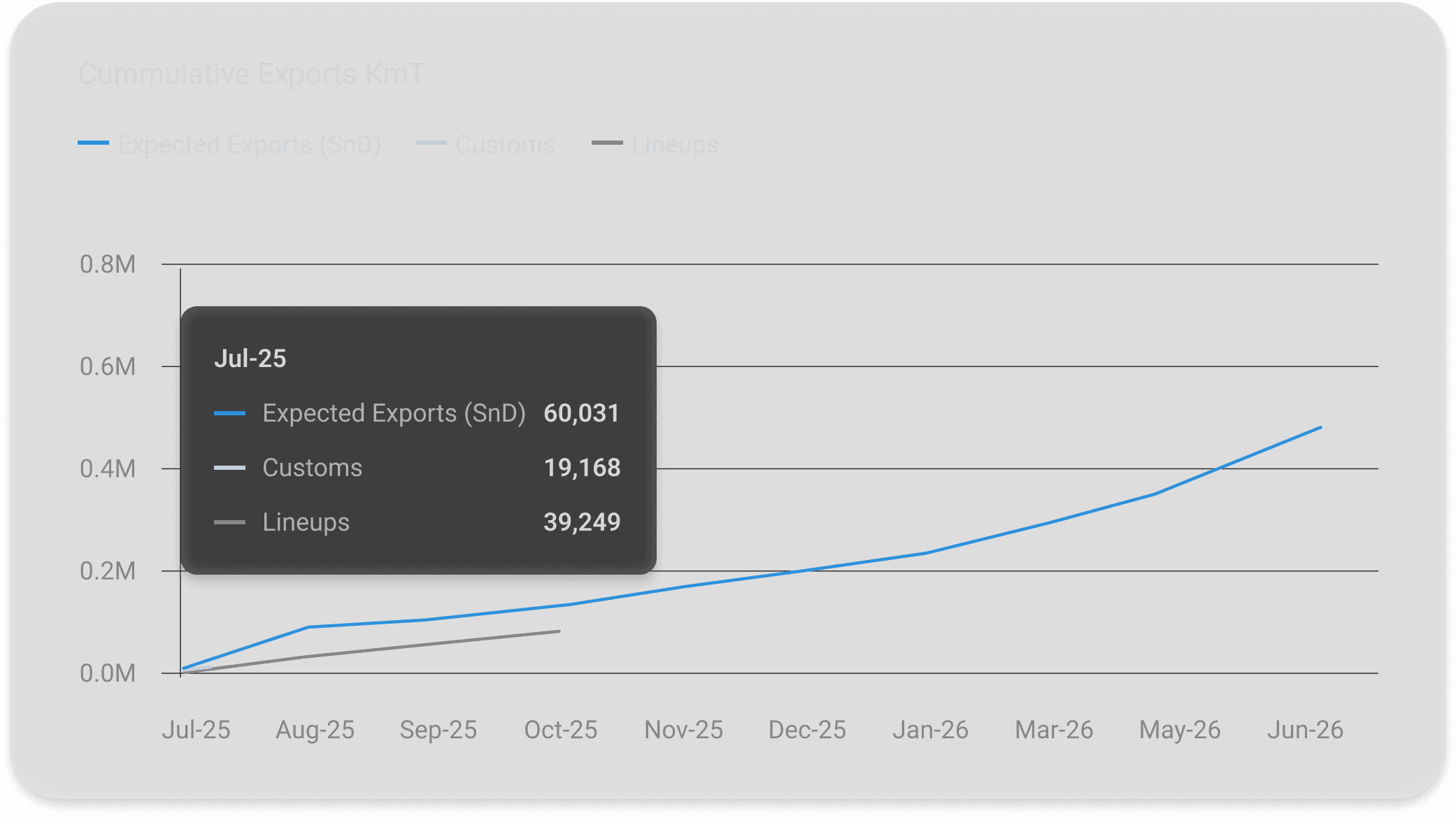
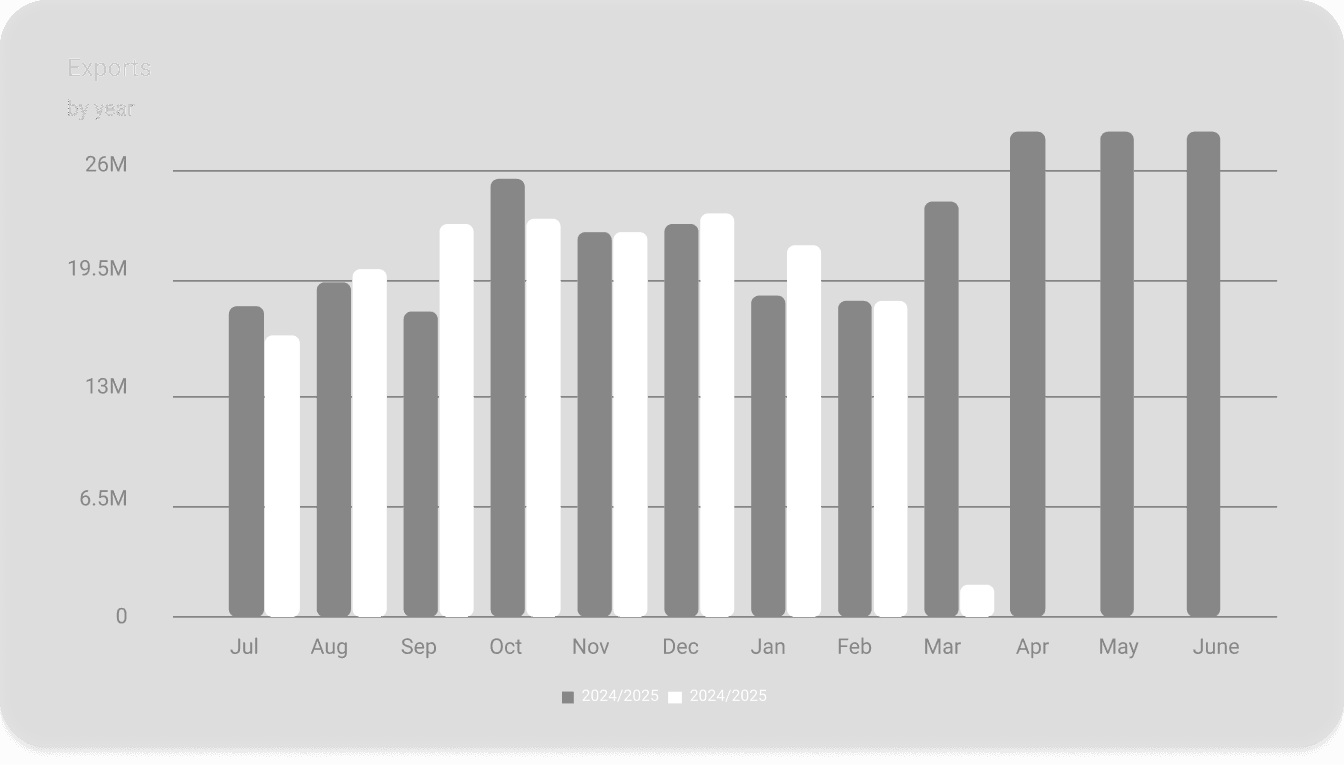
Trade flows feature tile showing global grain shipment tracking and trade flow data for commodity traders on the CM Navigator platform

Trade flows

Track commodity movements by origin, destination and commodity, with historical data to support forward trade analysis.

Vessel lineups feature tile showing port vessel lineup and shipping data for tracking grain cargo movements on the CM Navigator platform

Vessel Lineups

Monitor vessel activity and port lineups to understand loading programs, supply pressure and destination demand.

Bids and offers feature tile showing live agricultural commodity bid and offer prices for physical grain trading on the CM Navigator platform

FOB Indications

Benchmark indicative FOB levels across major grain and oilseed origins.

Crop Weather

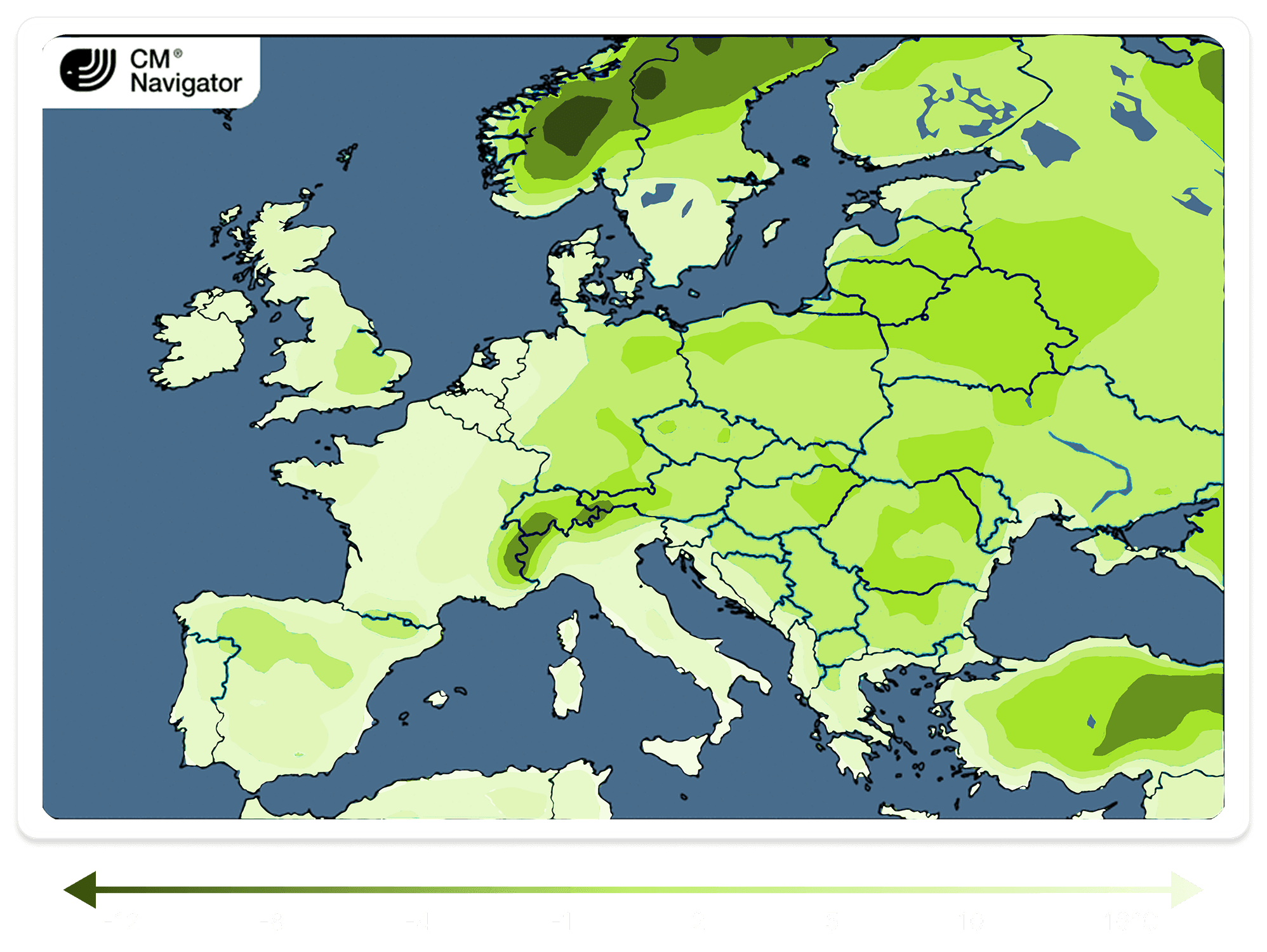
Monitor crop-relevant weather developments across major producing regions.

Who uses CM Navigator?

Grain market analyst reviewing commodity price intelligence on a trading screen, representing how physical traders and importers use CM Navigator to make the costs transparent across origins

Make faster origin, pricing and execution decisions

For importers, exporters, feed compounders and flour mills, CM Navigator is the agricultural commodity trading platform that brings pricing, freight and trade flows into one place.

  • Access bids, offers and FOB prices across major agri origins

  • Compare CFR prices across 610+ destinations with the CFR Matrix

  • Check dry bulk freight rates across 550,000+ routes

  • Monitor trade flows and vessel lineups by origin and destination

Outcome: Faster origin decisions. Clearer margin visibility. More confident execution.

CM Navigator allows me to quickly access accurate and essential information. Their ability to adapt to the real needs of buyers makes them an indispensable partner
Poulina group holding logo
Rafii Zarrouk
Procurement Manager, Poulina Group Holding

Explore market information

Weekly commodities week 24
Commodities
Agri- Commodities: 08-12/06/26 : Grain markets started the week mixed, with US wheat futures recovering from oversold levels while European wheat continued to drift lower. Soybeans extended their losing streak, and corn stabilized only after reaching fresh lows. Despite ongoing volatility in oil markets, agricultural markets appeared increasingly focused on crop conditions and supply fundamentals rather than energy prices. The fundamental picture remained mixed. Russian wheat prices weakened ahead of the new season, while US corn exports continued to outperform expectations. Markets traded in a narrow range as liquidation pressure appeared to ease following several weeks of heavy selling. Attention shifted toward the upcoming USDA report, although expectations pointed to only limited revisions. Export demand remained active. Jordan secured wheat for August shipment at slightly lower prices than the previous tender, while Bangladesh entered the market with a wheat tender of its own. EU wheat exports continued to run ahead of last year’s pace, with customs data showing shipments above 22 million tons and export programs suggesting actual exports remain significantly higher. Meanwhile, weather conditions across much of the US Corn Belt and northern Europe remained broadly favorable. Renewed escalation in the Middle East pushed oil prices sharply higher and pressured broader financial markets. Grains initially followed energy higher but failed to hold gains as traders remained focused on the upcoming USDA report and generally comfortable supply prospects. Positioning data showed a significant shift in sentiment, with speculative traders flipping from a net long to a net short position in MATIF wheat. At the same time, expectations for the USDA report pointed toward only minor changes to US balance sheets, while larger South American crops continued to weigh on global corn and soybean outlooks. Inflation also remained a concern after US consumer prices reached their highest level in three years. The USDA report broadly matched market expectations, leaving corn under the most pressure after global ending stocks came in above forecasts. Kansas wheat was the relative outperformer following another reduction in US HRW production, while falling oil prices added further pressure across the grain complex. Outside the USDA report, conditions remained generally favorable. Drought coverage declined across US corn, soybean, and spring wheat areas, while Argentina continued reporting solid planting and harvest progress. The US CPC also confirmed that El Niño conditions are present, a development that will be closely monitored in the months ahead, particularly for Australia and other weather-sensitive exporters. Grains finished the week on a weak note, with corn the only major contract able to post modest gains. Markets reacted negatively to the announcement of an interim US-Iran agreement that would reopen the Strait of Hormuz and remove some of the geopolitical risk premium that had supported commodity markets throughout the conflict. French wheat conditions improved slightly, adding further pressure to wheat prices and reinforcing confidence in the crop outlook. There was also unconfirmed discussion that China may have purchased French wheat, which, if confirmed, would mark the first such purchase since the 2023/24 season. Meanwhile, speculative selling accelerated across CBOT markets, with funds flipping from a large net long to a net short position in corn and expanding already substantial short positions in Chicago wheat.
Freight
Weekly Freight Recap: 19/06/2026: The main macro shift was the US-Iran deal framework and the reopening of Hormuz. This lowered bunker expectations and eased the most extreme Gulf panic, but it has not returned the market to normal. Insurance, mine clearance, crew changes and the restart of Gulf cargo programmes remain uncertain.
Augusto Abati, 2024
Interview
Augusto Abati talks about Brazilian crops wheat and corn markets 2024: Will wheat planting be tough for Brazilian farmers? Listen to how we discuss about the current situation in Brazilian markets, the challenges faced by local farmers, conflicting corn crop estimates, and what all this means for prices. - Hi, I'm Hendrik from CM Hamburg and I'm sitting here together with my colleague Augusto from CM São Paulo. We're here today to discuss the Brazilian crops and especially wheat and corn markets.Good morning, Augusto. How are you today? - Good morning. I am doing very well, and yourself? - Absolutely fine, thank you. Looking at the Brazilian crops, we are in the middle of the corn harvest, how's it looking currently? - Yeah, well, let's say that the first corn harvest is 80% done at this stage and the Safrinha of corn, the second harvest in Brazil is only about 2% done in the center south of Brazil So far, the conditions look good. We're not going to have a record crop like last year but everything is moving forward. We're not expecting any major changes from now on, the weather is very good in the state of Mato Grosso. We do have some problems in the state of Rio Grande do Sul but overall I believe that the numbers should stay as per the last ranges of the trade. - It does look a little different on the wheat market. So, with the flooding in the South it has a major impact on the seedings. How is it looking on the wheat? - Well, for the wheat, we're going to have a challenging year. At the State of Paraná, the conditions are fairly good. The plantings have started but the main issue in Brazil right now is the State of Rio Grande do Sul. They had the biggest weather disaster in history. Meaning that several of the areas are still flooded. We cannot even access some of those areas. We have problems with logistics, and, of course, this is affecting the plantings. Which are fairly delayed. Initially, we were working with a range over 9.5 million tonnes production and we are already talking about low 8 million tonnes. So we're going to have some massive differences from what was initially predicted in Brazil. - Speaking about the delayed plantings and the wet conditions, how do you think that will affect the quality this year if that already can be said? - I would say it's still a bit too early to say anything about the quality. - Again, we have barely started the plantings but if the conditions persist, we might have a year like the previous season. While we were expecting to export 11.5 with ANEC specs and ended up having only a feed wheat program. At this stage, I would say that the sellers in Brazil, they're also concerned about this. So they are selling 11.5 for ex harvest but also asking for an option to decrease it to feed wheat in case the conditions persist. - What does it mean for the prices? Where's the market currently? What are we talking about? - We're talking of a very high market at this stage and very far apart. I would say that the December wheat at this stage in Brazil is 280 versus 255. The sellers are in line with what we see in Argentina but as you very well know, at parity with Germany and much more expensive than what we see in Russia right now. Especially against Russia 12.5 even. - So, looking at a probably decreased production number how does it affect the import side? Is Russian wheat playing a major role in this? - Indeed they are. On the import side last year we had imports around 5.5. In the beginning of the year, we were expecting 100 million tons less, around 5.4 but right now we are already working with numbers above 6 million tons, especially given the conditions in Rio Grande de Sul. So if that does indeed materialise, it will be in favour of Russia. Argentinian wheat, at this stage 11.5 We're talking about 285$ versus 12.5 on the Black Sea around 250. So, even with the freight spread to Brazil, we would see a massive flow of Russian flowing into the country. The trade is already rumouring of at least 1 million tons traded and we believe this number will only increase from now on. - Thanks for the insights, Augusto. Coming back to the corn markets, we've briefly talked about it but the production numbers are quite diverse yet. What do you think is the reason for that? - They are indeed all over the place. On one side we have CONAB with very low estimates and on the other side we have the actual trade. Talking with other clients and partners in Brazil, we do put the production around 1.22 million tonnes. Not the low numbers of CONAB of 1.13 - 1.14 million tons. The USDA is still even higher 1.25. But considering the estimates of the trade at this stage, we would see at least 120 million tonnes being produced in Brazil. Not a record crop as last year but still fairly significant that will generate a very good export season for the country. - How does that affect the market? I mean, we are in the middle of the harvest. - Yes, the first crop now is at 80% harvested. Second crop, just about started. The market has been quiet let's say. One of the main components of last season for Brazil was China. China has been missing in action, we have not seen or heard any trades. If something was traded, it was very little in comparison to the last year. So, but even without China, we see Brazilian corn starting to calculate pretty much everywhere in the world. Via the Med, via the EU, via Southeast Asia. So we're slowly getting there that Brazilian corn is pricing in to destinations but not yet trading that much. As you might as well know, Brazil starts the heavy export as of July, August, so we're still a bit early but not many trades were done. So, we're lagging behind a normal year. - So market looks actually rather bearish and heavy, what do you think farmers have committed so far? - Very little. The farmer selling has been very much focused on the soybeans. Even though at this stage they have a very favourable USD BRL parity, to start selling, they still have a lot of soybeans to sell. So, the focus has not been the corn. We're expecting this to change any time. Could it be next week, in three weeks from now, the Brazilian corn market needs to move and we are yet to see a harvest pressure that will move those markets. - So, soon we could see a sharp drop in the harvest markets on corn, might that bring China back to the table? - It could. We are talking about the next harvest in July. At this stage we are bearish when it comes to basis. It will all depend in the end of China at this point. China was the biggest importer of Brazilian corn last season. So, without China, then of course we would have a completely different situation. - Many thanks for your insights, Augusto! - Always a pleasure!
Quick answers to

Frequently asked questions

Don’t miss out

Start your free trial today

Begin your path to smarter trading now.

Start your 7-day free trial. No commitment.